
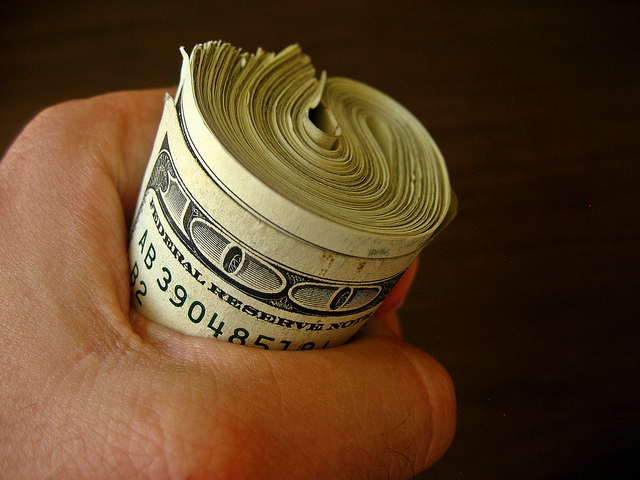
5 Facts That Prove Americans Are Smart Savers – How Do They Stack Up?

If you think that Americans are either spendthrift or bad with money management, let’s reconsider our preconceived beliefs. Americans are not only smart savers, but also allocate their resources in the most efficient manner.
Hype of Black Friday and Cyber Monday
The situation of utter chaos and bedlam that we witness every year at retail stores during the last months speaks volume about consumer behavior. Americans invest a significant amount of their time in surfing the internet for finding deals that best fit their budgets and aspirations. Once an appropriate deal has been found, the next step is to plan a strategy to reach the store and get hold of the required commodities before other shoppers attack the limited stocks.
According to Practical Ecommerce, the total sales revenue generated from Thanksgiving Day, Black Friday and Cyber Monday was approximately $7.9 billion in 2018, making the highest holiday sales in the history.
Search Online Purchase Offline
If you think that consumers are naïve and will purchase a commodity just because of its visible characteristics, businesses are committing a blunder. Consumers are much more aware than they were in the past due to online consumer forums and social media sites where buyers express their opinions about the purchased commodities.
The concept of ‘SOPO’ is a milestone in contemporary marketing strategy where consumers make informed purchase decisions and are very vocal about their opinions which act as influencers for other potential shoppers. While the product features and characteristics are searched on the internet, the purchase is materialized at retail stores.
Waiting for Coupons
Can you believe that Americans delay their purchases just to ensure that they acquire their preferred items at lowest possible
In a consumer survey conducted, 76% Americans believed that saving was an integral element of living a successful life, whereas 46% of the respondents considered saving to be very important and often looked for opportunities to save money in daily activities.
Surge of Smartphone Apps
Upon visiting either
Some of the most useful money management apps are:
• Monefy – Money Manager
• Wallet – Finance Tracker and Budget Planner
• Bucket
• 1Money
• Wallaby
According to recent statistics collected by Bankrate in the United States of America, two-thirds of smartphone users had at least one financial app installed. The consumers use these apps for various purposes, but mainly for budgeting purposes and transacting amounts. These apps allow Americans to avoid overdrafts and excessive expenditures.
Rise of Self-Help Literature
Following the financial debacle of Wall Street in 2008, Americans become more skeptical about the economic activities, this resulted in risk averse behavior. The consumers started to alter their financial behaviors as well, they started to save more due to underlying fears, the investments became more reserve in nature.
Books like Rich Dad Poor Dad and Intelligent Investor became American bestsellers which emphasized on investing more on assets that generated incomes rather than spending on liabilities that had joint expenses.